Balancing Portion Sizes in a Wholesome Diet: A Practical Guide to Eating Well
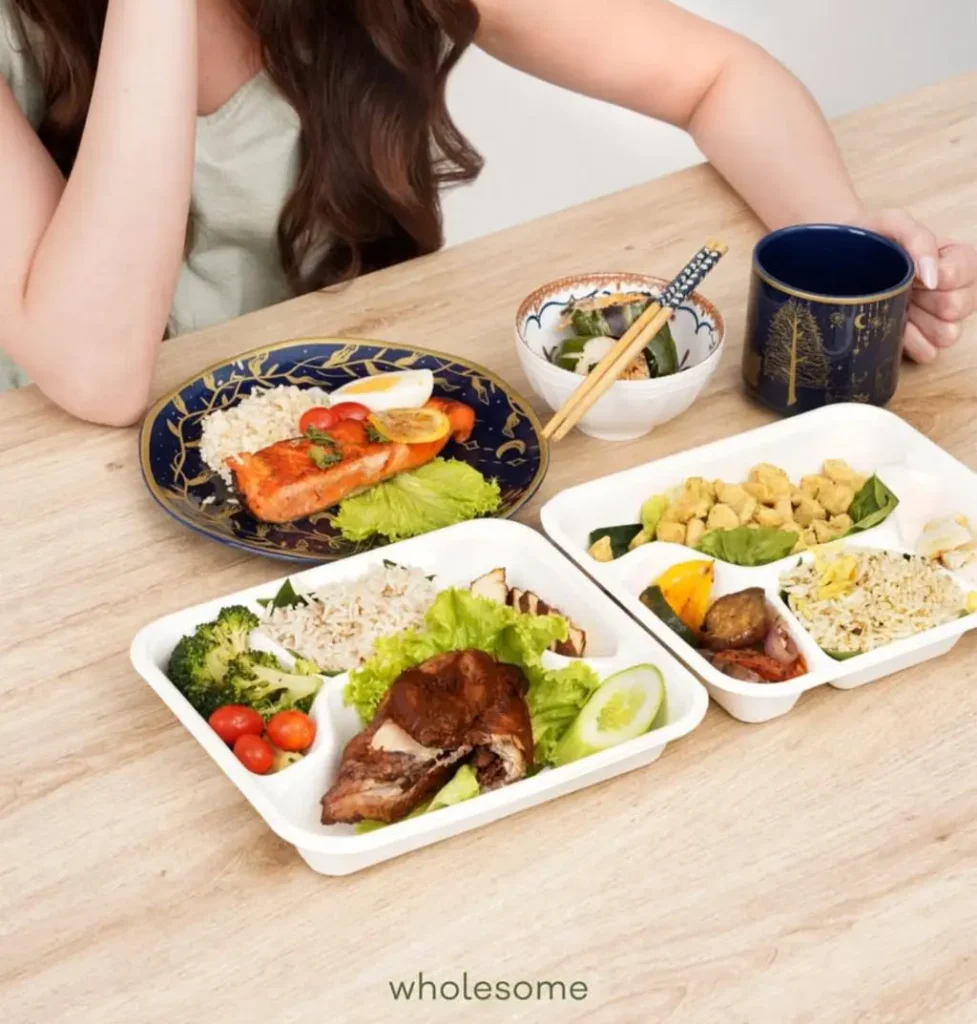
In the era of fast food and oversized portions, understanding portion control has become an essential skill for anyone pursuing a wholesome lifestyle. Eating wholesome foods is not only about the quality of ingredients but also about the quantity consumed. Striking the right balance ensures that your body receives adequate nutrition without falling into the trap of overindulgence or unnecessary restriction.
This article will guide you through the importance of managing portion sizes, practical strategies for applying them in daily life, and how wholesome eating can be transformed into a sustainable habit.
Why Portion Size Matters in Wholesome Eating
A wholesome diet emphasizes natural, minimally processed foods that nourish the body with vitamins, minerals, protein, fiber, and healthy fats. However, even the healthiest foods can lead to imbalance if consumed excessively.
- Overeating wholesome food may still lead to excess calories and weight gain.
Undereating wholesome food may cause nutrient deficiencies and low energy.
Balanced portioning ensures:
- Proper energy distribution throughout the day
- Optimal digestion and nutrient absorption
- Prevention of unnecessary cravings
- Long-term maintenance of a healthy body weight
The Art of Visual Portioning
Not everyone has the time to count calories or measure food meticulously. A practical alternative is the visual method — using your hands or plate as guides:
- Protein: About the size of your palm (chicken, fish, beans, or tofu).
- Vegetables: Two handfuls — prioritize colorful and fiber-rich options.
- Carbohydrates: One cupped hand (brown rice, quinoa, or sweet potato).
- Healthy fats: About the size of your thumb (olive oil, nuts, avocado).
Timing & Frequency: Eating Mindfully
A wholesome diet is not just what and how much you eat, but also when. Spacing meals evenly throughout the day can stabilize blood sugar levels and avoid overeating at night. For example:
- Breakfast: Light but nutrient-dense — oats, fruits, or smoothies.
- Lunch: Balanced plate with carbs, protein, and greens.
- Snack: Wholesome bites like nuts or fruit.
- Dinner: Smaller portions with emphasis on vegetables and lean protein.
The goal is to create a rhythm that feels natural, satisfying, and sustainable
Wholesome Portion Control in Practice
Here are three strategies to apply portion management without stress:
- Use Smaller Plates – Psychology plays a role; smaller plates can make normal portions look generous.
- Listen to Satiety Cues – Stop eating when comfortably satisfied, not overly full.
- Plan Ahead – Pre-portion meals or snacks to prevent mindless eating.