How a Wholesome Diet Supports Sustainable Weight Loss
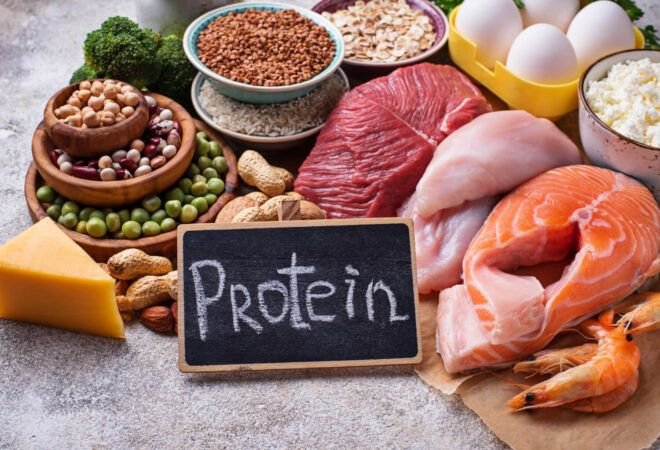
In today’s fast-paced world, where instant solutions often overshadow long-term health, the concept of wholesome eating has emerged as a refreshing approach. Unlike fad diets that promise quick results but rarely last, a wholesome diet emphasizes natural, nutrient-dense foods that nourish both body and mind.
But how exactly does this dietary style contribute to weight management? Let’s explore the scientific and practical reasons why wholesome eating is one of the most effective strategies for sustainable weight loss.
- Prioritizing Nutrient Density Over Calorie Restriction
Most conventional diets revolve around cutting calories. While it may lead to short-term weight loss, it often leaves the body deprived of essential nutrients.
A wholesome diet, on the other hand, focuses on nutrient density — meaning you consume foods rich in vitamins, minerals, fiber, and antioxidants without obsessively counting calories. When the body receives what it truly needs, cravings naturally decline, leading to a more effortless calorie balance.
- Fiber-Rich Foods Promote Satiety
One of the strongest allies of wholesome eating is dietary fiber. Found in whole grains, legumes, fruits, and vegetables, fiber helps slow down digestion, stabilize blood sugar levels, and keep you full for longer periods.
This natural satiety reduces the urge for snacking or overeating, creating a caloric deficit without the stress of extreme restrictions.
- Stabilizing Blood Sugar and Hormonal Balance
Weight gain is often linked to unstable blood sugar levels and hormonal imbalances (such as insulin resistance). Wholesome eating, which minimizes refined sugar and processed foods, helps regulate glucose absorption and insulin release.
As a result:
- Energy levels remain consistent.
- The body shifts into fat-burning mode more effectively.
- Hormones related to hunger and satiety (ghrelin and leptin) function optimally.
- Encouraging Mindful and Sustainable Habits
Unlike crash diets that can feel punitive, a wholesome diet encourages mindful eating:
- Choosing fresh, unprocessed ingredients.
- Cooking meals with balanced proportions.
- Enjoying food without guilt.
These practices reduce emotional eating, help build a healthier relationship with food, and support long-term weight management rather than temporary results.
- Supporting Metabolism and Digestive Health
A wholesome diet naturally includes foods that boost metabolism and support the gut microbiome — such as fermented foods, whole grains, and plant-based proteins. A healthy digestive system enhances nutrient absorption, optimizes energy use, and prevents fat accumulation.
This means your body becomes more efficient in burning calories and maintaining a leaner physique.
Wholesome Eating as a Lifestyle, Not a Shortcut
Weight loss doesn’t need to be a war against your appetite. By shifting to a wholesome diet, you prioritize nourishment over restriction, which makes the journey not only sustainable but also enjoyable.
To recap, wholesome eating helps weight loss by:
- Providing nutrient-rich foods instead of empty calories.
- Offering satiety through fiber.
- Stabilizing blood sugar and hormones.
- Encouraging mindful eating habits.
- Enhancing metabolism and gut health.
Remember, the goal isn’t just a smaller waistline — it’s a healthier, stronger, and more energized body. With consistent commitment, a wholesome lifestyle can transform the way you look, feel, and live.