The Art of Cooking Vegetables: How to Preserve Nutrients the Smart Way
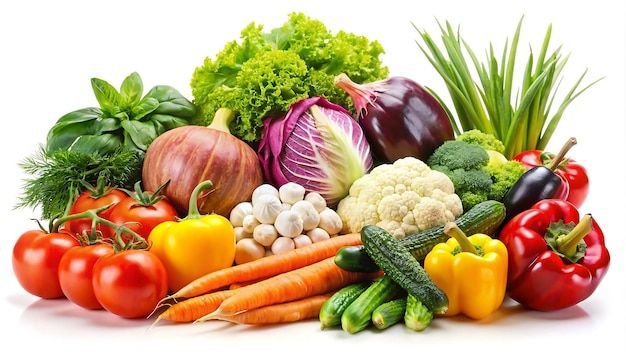
In the pursuit of wholesome living, the conversation around food has shifted — it’s no longer just about what we eat, but how we prepare it. Vegetables, being vibrant sources of vitamins, minerals, and fiber, deserve more than just a quick toss in the pan. The method we choose to cook them can determine whether we’re nourishing our bodies or unintentionally stripping away their precious nutrients.
In Indonesia, where vegetables like spinach (bayam), water spinach (kangkung), and long beans (kacang panjang) are dietary staples, understanding how to preserve their nutritional essence is vital. Cooking smartly isn’t about following complicated techniques — it’s about embracing mindful, science-backed methods that honor nature’s design.
Why Cooking Methods Matter for Nutrient Retention
The nutrient composition of vegetables is delicate. Vitamins such as vitamin C, B-complex, and folate are water-soluble and highly sensitive to heat. Minerals, on the other hand, can leach into cooking water, reducing the nutritional density of your meals.
A study from the Indonesian Nutrition Association (Persagi) emphasizes that overcooking can destroy up to 40–60% of vitamin C and 50% of folate in leafy greens (Persagi Official). The key lies in understanding how heat, time, and water interact with food — and how to balance them to retain maximum goodness.
The Science of Nutrient Preservation
Every nutrient reacts differently to heat and moisture. Here’s how they behave during the cooking process:
- Vitamin C is highly volatile and breaks down quickly when exposed to high temperatures or oxygen.
- Water-soluble vitamins (B1, B2, B9) dissolve into water during boiling or long simmering.
- Fat-soluble vitamins (A, D, E, K) are more stable and even become easier to absorb when paired with healthy fats like olive oil.
- Antioxidants such as beta-carotene and lycopene actually increase in bioavailability when lightly cooked.
Thus, the goal is not to avoid cooking but to cook intelligently — striking harmony between flavor, texture, and nutrition.
Smart Cooking Methods for Maximum Nutrition
- Steaming: Gentle Heat, Great Retention
Steaming is one of the most nutrient-friendly cooking methods. Since vegetables aren’t submerged in water, fewer vitamins leach out. Research by Kementerian Kesehatan RI (Ministry of Health Indonesia) notes that steaming retains up to 90% of vitamin C compared to boiling, which preserves only around 50–60% (Kemenkes.go.id).
For extra flavor, add herbs like lemongrass or ginger to the steam water — this infuses aroma without compromising health benefits.
- Stir-Frying: Quick and Nutritious
A cornerstone of Asian cuisine, stir-frying combines minimal oil with high heat for a short time — locking in color, crunch, and nutrients. Using cold-pressed oils such as olive or canola adds healthy fats that help absorb fat-soluble vitamins.
- Blanching: The Middle Ground
Blanching — briefly boiling vegetables and then plunging them into ice water — helps maintain vivid color and texture while minimizing nutrient loss. It’s ideal for vegetables like broccoli, spinach, and beans before further cooking or freezing.
- Roasting and Grilling: Flavor Meets Function
Dry-heat methods like roasting and grilling intensify natural sweetness and boost antioxidant activity, especially in carrots and tomatoes. However, keep the temperature moderate to prevent nutrient oxidation or charring, which can create harmful compounds.
- Microwaving: The Underrated Champion
Surprisingly, microwaving can be among the most effective methods for retaining nutrients, thanks to its minimal water use and short cooking time. The Bogor Agricultural Institute (IPB) found that microwaved vegetables preserved significantly more vitamins than traditionally boiled ones
Pairing Vegetables for Enhanced Nutrient Absorption
Nutrient retention isn’t only about cooking — it’s also about synergistic pairing. Certain nutrients become more bioavailable when consumed together.
Try these combinations:
- Spinach + Lemon Juice: Vitamin C in lemon enhances iron absorption.
- Carrots + Olive Oil: Healthy fats aid in vitamin A absorption.
- Tomatoes + Avocado: Fat boosts lycopene bioavailability.
- Corn + Beans: Creates a complete amino acid profile for better protein synthesis.
This approach mirrors the “wholesome principle” — viewing nutrition not as isolated elements but as interconnected components of well-being.
Common Cooking Mistakes That Reduce Nutritional Value
Even with good intentions, small mistakes can lead to significant nutrient loss. Here are habits to avoid:
- Overboiling vegetables until soft or pale.
- Cutting vegetables too small before washing (causing vitamin leaching).
- Using excessive oil or reusing frying oil.
- Storing cooked vegetables for too long before eating.
As advised by BPOM Indonesia (Food and Drug Authority), maintaining hygiene and minimizing reheat cycles are crucial to preserve both safety and nutritional quality